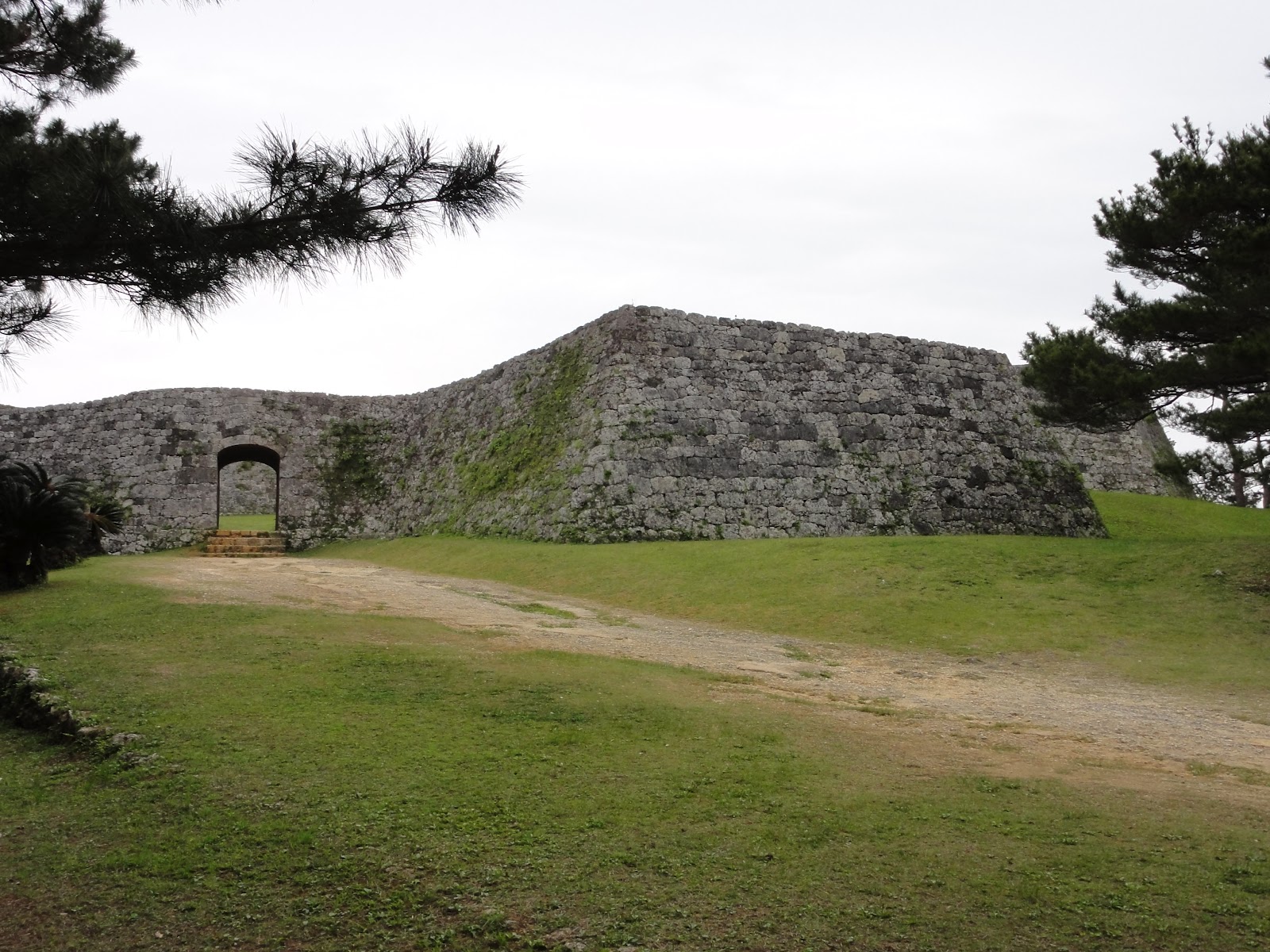
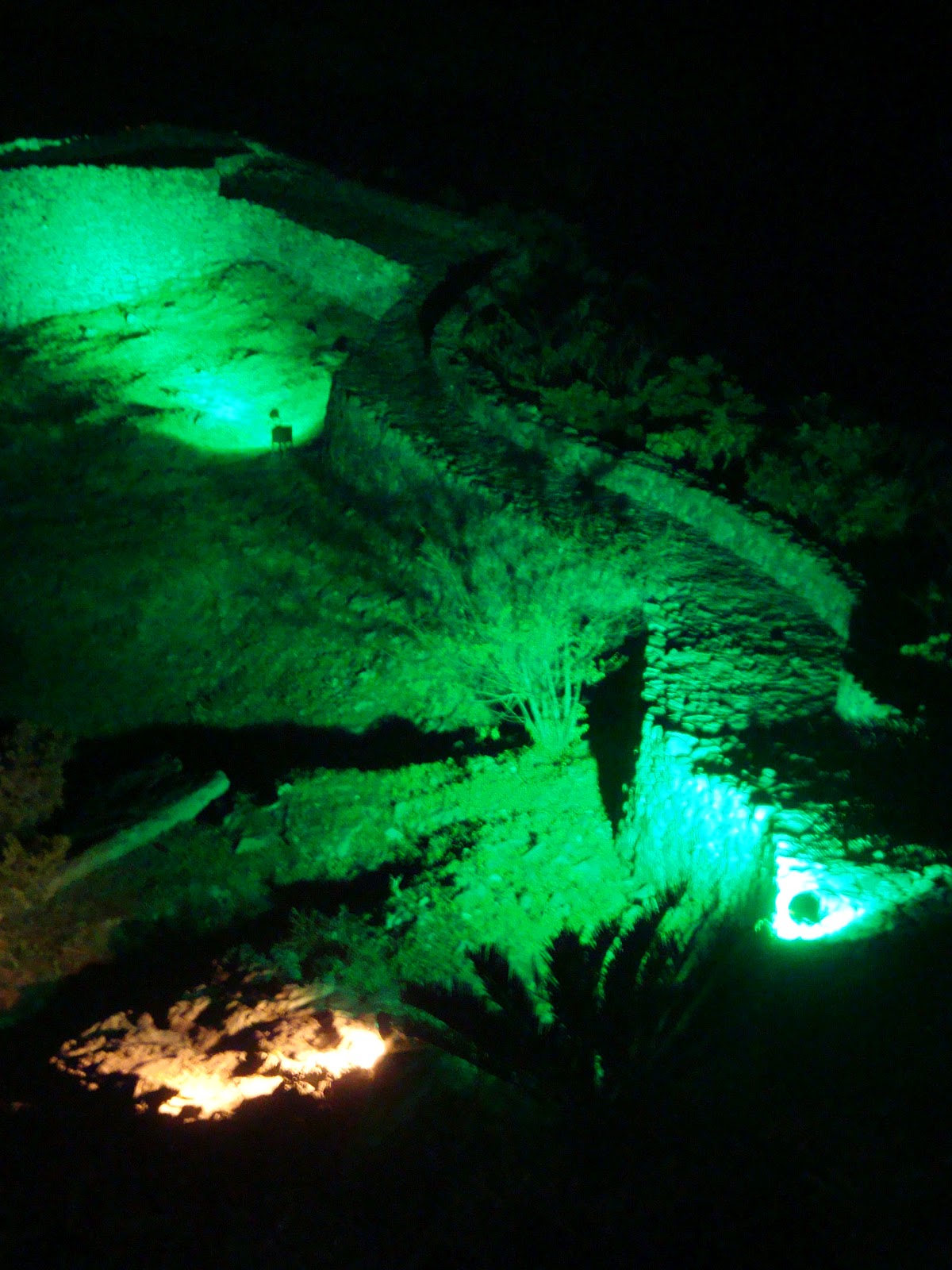
One of these sites was the Hamagaa Ugan Ruins. It was a nice 5-10 minute stop right next to Kadena Gate 1. A surprisingly peaceful spot right next to a very busy road.
The following information is from a sign posted at this prayer site:
The Hamagaa Ugan Ruins were designated as a Cultural Asset / Historic Site located within Chatan Town on March 26, 2004.
The Hamagaa Ugan is a place of worship made at the foot of a limestone rock. It is called Shimamori Yoriage no Taki (holy name: Ishi no Oibe) in the Ryukyu-koku Yuraiki, 1713 (Historical records of the Kingdom of the Ryukyus).

A tomb of a fuedal lord is located to its east.
The worship area and a large Akou tree (Ficus superba Mig. var. Japonica Miq) are found to the south. In the worship area, there is a small house-shaped limestone shrine with a Yosumune-style hip roof and three incense burners.
The Shimakusarasaa, a ritual held in lunar February to prevent evil from entering the community, and the Kami-Ushiimii, a ritual to pray to gods held in lunar March, were held here before the war.
 The Twun no Kami and Ryuuguu Shin deities are also enshrined in the south side of the premises.
A shell mound dating from the 8th to 10th centuries is found north of the Hamagaa Ugan. It is believed that refuse was di
scarded from the top of the hill, presenting the possibility that a worship area might have existed on the top. Excavation of this site is considered required. A similar ruin known as Agigitara shell mound is found in Izena Village.
Directions:
This location is at the intersection of the 58 and 23. right before Kadena Gate 1. At that intersection is a store called “Music Lab”. In the back is a parking lot, and if you park there, you can’t miss the tree. You can see the tree from 58.
If you are traveling north on 58, simply turn into the Music Lab parking lot and go to the back.
If you are traveling south on 58, turn right at the light right past the 23. Then take your first right and drive down the road a little bit. You’ll see the back entrance of the music store and the tree on your right.